












What if finding a job in 2030 starts with a conversation, not a search?

How will people find jobs in the future? Alma Career recently partnered with Aalto University on a research project exploring how job seeking and recruitment may evolve towards 2030.
The findings offer valuable perspectives on how job seekers and employers may connect in the years ahead.
How job seeking may change by 2030
As technology continues to transform the labour market, understanding how people search for jobs and make career decisions is becoming increasingly important.
To better understand these shifts, Alma Career partnered with Aalto University in a research project that Master's students Pinja Ylä-Kotola and Adil Hassan Khan carried out. The project explored how job-seeking behaviour may evolve over the next three to five years and what these changes could mean for recruitment platforms, employers and job seekers.
The research combined expert interviews, job seeker interviews, market analysis and future scenario development. Rather than producing a single prediction, the project developed six future scenarios describing different ways recruitment and job seeking could evolve towards 2030.
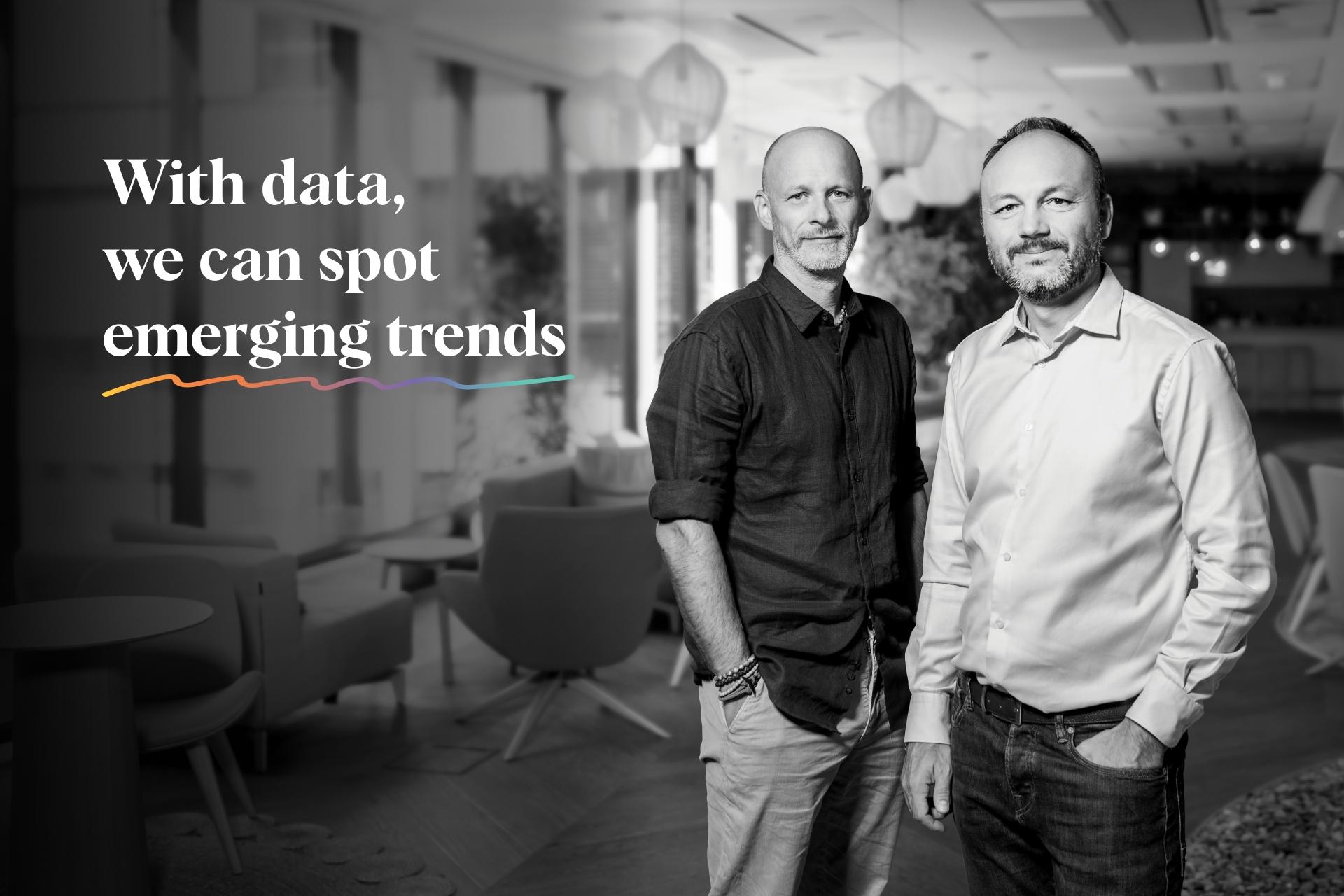
"What made this project valuable was its focus on behaviour rather than technology. The most important question is not what AI can do, but how people will choose to use it when searching for jobs and building careers." Tuomas Mathews, Chief Growth Officer, Alma Career
AI could make career discovery more personal
One of the clearest findings was that job seeking may gradually move beyond traditional keyword searches. Instead of starting with a job title, people may increasingly describe their skills, interests and career goals, while AI-powered services help identify relevant opportunities and potential career paths.
The research also highlighted how AI is already becoming part of many stages of the job-seeking journey, from understanding job descriptions and evaluating opportunities to preparing applications and supporting career decisions.
At the same time, the study identified a growing challenge for the recruitment industry. As AI makes applying easier and faster, candidates can submit more applications with less effort.
Recruiters, in turn, may need stronger filtering and matching tools to identify the most suitable talent. This creates a growing need for relevance, transparency and better matching between employers and job seekers.
What these changes mean for employers and recruitment platforms
For Alma Career, the project provided perspectives on how technology, changing behaviour and evolving expectations may shape recruitment in the years ahead.
As a leading recruitment and career services provider in Central and Eastern Europe, Alma Career sees understanding these shifts as an essential part of helping shape the future of recruitment.
The research reinforces the importance of building services that go beyond job listings, supporting people in discovering opportunities, navigating career decisions and connecting with employers in more meaningful ways.
While no one can predict exactly what recruitment will look like in 2030, one message emerged clearly throughout the research: the future may be less about helping people search for jobs and more about helping them discover opportunities they might not have found on their own.
For Alma Career, understanding that shift is an important part of helping shape the next generation of recruitment and career services.
Curious about how AI, changing candidate behaviour and new technologies could impact recruitment in your organisation? Get in touch with our team.
Everyone’s an armchair expert on AI these days

Why Training Alone Won’t Keep Employees from Leaving
Transparency, Data, and People: What We Learned at the HR Time Gathering in Zagreb

News for the User Experience Community: UX Research Academy for Everyone – Completely Free


